
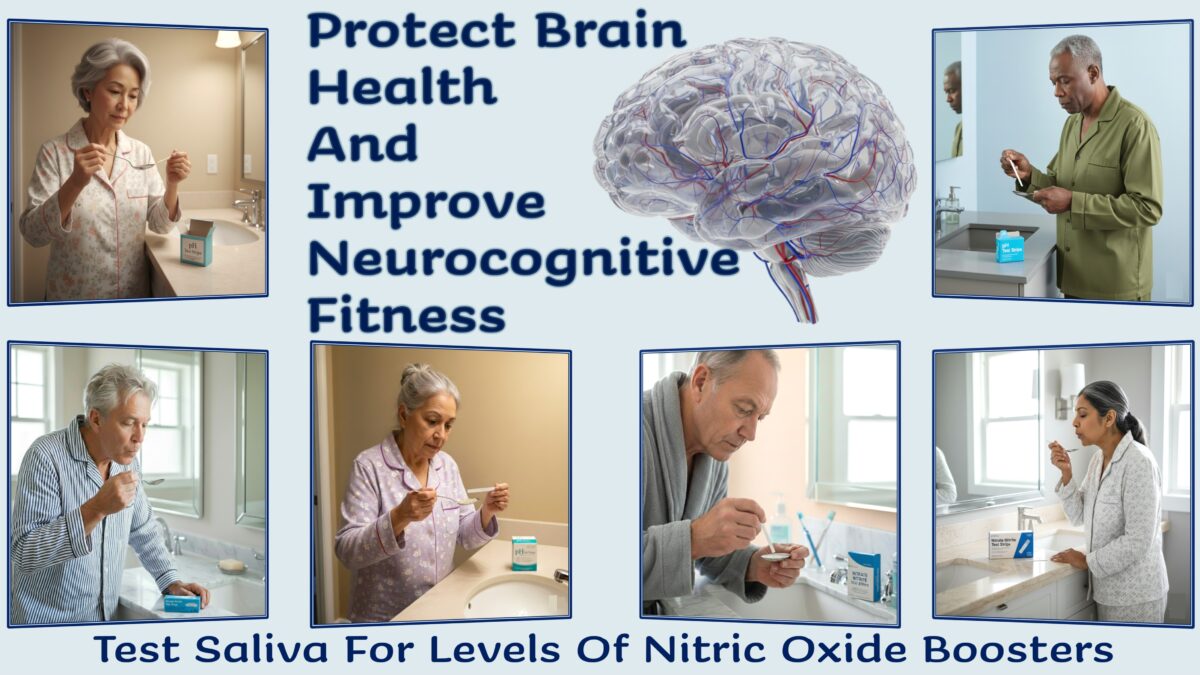
Protect Brain Health And Improve Neurocognitive Fitness
Neurocognitive Fitness is like…
Neurocognitive Fitness is like Physical Fitness. Every day is a test of performance and energy. Some days more than others and there’s always an absolute limit.
These limits can be lifted.
Boosting nitric oxide production increases neurocognitive fitness in only a few days.
Acid saliva inhibits the conversion of nitrates to nitric oxide. That can be converted using oral rinse with Sodium Bicarbonate at night.
Nitric oxide production can be boosted by increasing dietary nitrates and supplements which affects their levels in saliva.
Effects of nitric oxide on brain health affects variability of heart rate and electrical activity recorded on a chest strap first thing in the morning.
You can get started with all this by testing morning saliva for acid/base (pH) and Nitrates.
We will help you boost these values to Ideal Levels for Good Brain Health and Neurocognitive Fitness.
Immediate Benefits of Boosting Nitric Oxide
Performance and Energy:

Perceived Exercise Effort: A feeling that submaximal work feels easier or requires less effort. For instance, walking up a flight of stairs or maintaining a moderate pace on a treadmill may feel less taxing. This is due to the nitrate-derived nitric oxide making the muscles and mitochondria more efficient, effectively lowering the O2 cost of exercise.
Time to Fatigue: For sustained efforts (like running, cycling, or fast walking), the individual may notice they can continue for a longer period before feeling exhausted.
Muscular Pump/Strength: Due to increased blood flow (vasodilation) and improved calcium handling in the muscle, some may report a subjective change in muscle function, especially during high-intensity or short-burst activities.
General Well-being/Cognition:
 Nitric oxide is a neurotransmitter and also plays a role in cerebral blood flow. When a group of neurons fires, nitric oxide is released locally by neurons and astrocytes. This ensures the activated region receives an immediate boost of oxygenated blood. In individuals with low nitric oxide, improving this status could have cognitive benefits. Also, a subtle feeling of being “clearer,” less mentally fatigued, and more focused.
Protection from Respiratory Viral Disease:
Nitric Oxide is a key component of the innate immune system and is naturally produced by immune cells in response to infection. Boosting nitric oxide interferes with viral protein and RNA synthesis. Reduced viral load shortens the duration of illness with less severe symptoms.
Neurocognitive Command System
Autonomic Nervous System:
A part of the brain and nervous system automatically regulates all the normal functions essential for life. Including cardiovascular function, breathing, digestion, muscle activity and hormone production.
Every cell in the body produces or responds to nitric oxide. Including all cells and systems performing those normal functions essential for life.
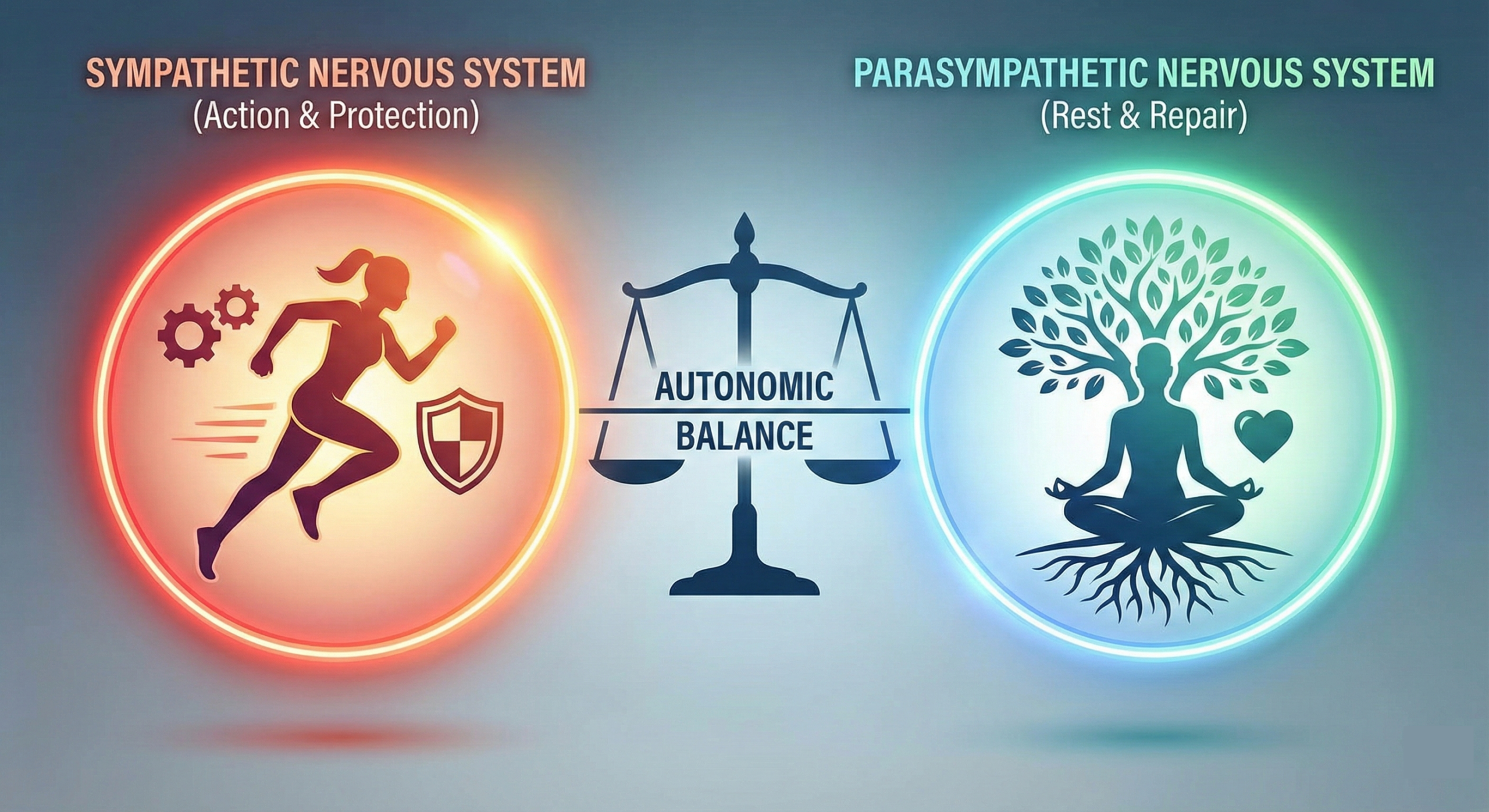
Sympathetic Nervous System (SNS): During the day, the part called Sympathetic Nervous System, concerned with energy, activity and protection is most active. During the time awake, SNS activity naturally increases to support mental activity, physical movement, and the cardiovascular demands of daily life. This includes an increase in heart rate and blood pressure.
Parasympathetic Nervous System (PNS): During the night, the part called Parasympathetic Nervous System, concerned with rest, repair and strengthening is most active. During healthy sleep, the PNS takes over, leading to a decrease in blood pressure and heart rate according to what’s needed briefly for critical restorative functions.
These two parts of the Autonomic Nervous System are balanced between action and protection (SNS) or rest and repair (PNS).
Nitric Oxide System:
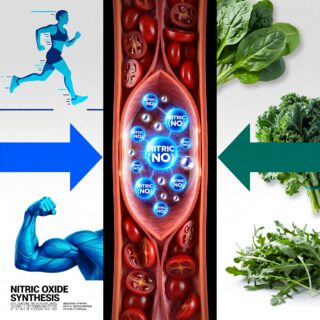 The Nitric Oxide produced by cells functions as a Signaling System and a Neurovascular Coupling agent. It is also reduced from Nitrite and Nitrate molecules circulating in the blood. Some of the Nitrates and Nitrites are formed during exercise and absorbed from food such as leafy green vegetables. They also are recycled and released into tissue fluid and blood after nitric oxide completes its signaling and vascular functions.
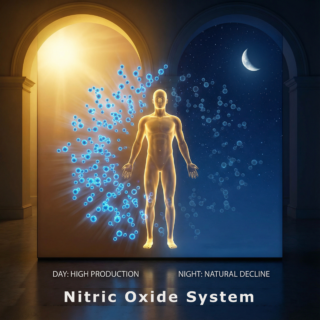 During the day, large amounts of Nitric Oxide are created, released and recycled by physical activity. Large amounts are also ingested from food. The reservoir of nitrates and nitrites is circulated in blood and taken up by muscle and saliva.
During the night, levels of nitric oxide, nitrites and nitrates gradually fall until morning. Levels of nitric oxide and nitrites mostly disappear leaving low levels of nitrates in muscle, blood and saliva. In the morning, the levels of nitrates in saliva represent the lowest levels anywhere in the body.
Levels of nitric oxide in the brain at all times, day and night, enhance levels and effects of PNS. Also, inhibiting effects of SNS. In the Prefrontal Cortex, PNS enhances ability to self-regulate and perform optimally as well as suppressing effects of SNS.
Central Autonomic Network:
This command center balances signals and mechanisms supporting or withdrawing activation for SNS resources. It is where all signals, from psychological to vascular, are integrated to interpret if there is a threat or need for protection versus safe opportunity for rest and recovery.
Vagus Nerves:
This cranial nerve connects the brain and major organs, controlling involuntary functions like heart rate, digestion, and breathing. It plays a key role in the body’s PNS providing rest and repair.
Many other effects of neurovisceral control balancing effects of PNS and SNS are carried by the vagus nerve. These include stimulation of insulin release by the pancreas that is balanced by SNS release of epinephrine and cortisol that inhibit insulin action.
Heart Rate Variability:
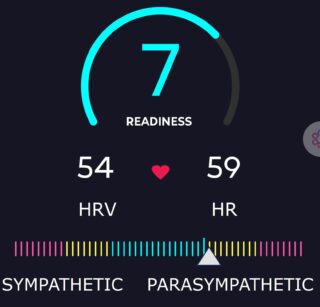 Frequent differences in time between consecutive heartbeats are called Heart Rate Variability (HRV). It indicates a highly flexible, responsive, and instantly precise PNS that is constantly adapting cardiac function in response to subtle internal signals like breathing or blood pressure fluctuations.
HRV Score: This index measured in milliseconds (ms), is the average difference in time between one heartbeat and the next. It is a direct measure of nervous system’s flexibility and recovery. As a result, HRV serves as an incredibly powerful index of the flexibility and integrity of the entire central system that regulates all Neurocognitive Function.
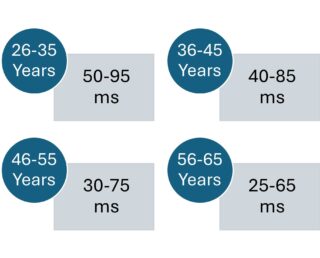 HRV Score of 50+ ms in Context of Age: General population averages (in ms) show that achieving a 50+ is more challenging with age. For an older adult, maintaining an HRV consistently above 50 ms is a strong indicator of excellent cardiorespiratory fitness, excellent neurocognitive fitness and excellent general systemic health.
Predictive Clinical Value of HRV
Cognitive Function: 1
Longitudinal studies show a strong association between initial baseline HRV scores and future cognitive function. A review of 12 studies involving 24,390 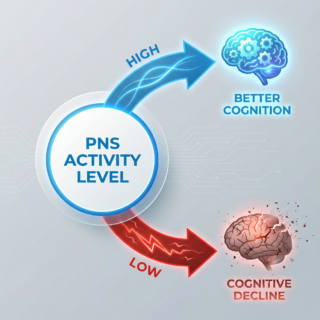 subjects showed an especially strong association between the higher PNS activity and ability to plan, monitor, and successfully execute goals.
Better Cognition: There was a consistent association between higher PNS activity and better cognition.
Worse Cognition/Decline: Conversely, lower PNS activity was a biomarker of future cognitive decline.
Review also noted some association between higher sympathetic nervous system (SNS) activity and worse cognition.
Mild Cognitive Impairment (MCI):
Studies focusing on older adults have shown that any decline in HRV impairs cognitive function. This includes slowed working capacity while awake and reduced memory consolidation during sleep.
Vascular Health:
MCI and low HRV are frequently linked to poor cerebral vascular health and increased blood pressure variability.
Cardiovascular Events: 2
Longitudinal studies of healthy subjects show a strong association between initial baseline HRV scores and future cardiovascular events. A review of 8 studies involving 21,998 subjects for 3.5 to 15 years showed an especially strong association between increase in HRV score and decrease in risk of fatal or non-fatal cardiovascular disease.
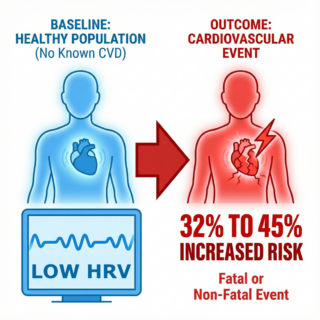 Overall Increased Risk: Low HRV was associated with a 32% to 45% increased risk of a first fatal or non-fatal cardiovascular event in populations without known CVD at baseline.
Marginal Benefit: The analysis showed that an increase in HRV score of 1% results in an approximate 1% lower risk of fatal or non-fatal cardiovascular disease.
These studies of cardiovascular events provide strong epidemiological evidence that low HRV is not just a marker of poor prognosis after a cardiovascular event, but is an independent risk factor for the development of cardiovascular disease in otherwise healthy individuals.
Summary
Nitric Oxide System:
A part of the brain and nervous system automatically regulates all the normal functions essential for life. Including cardiovascular function, breathing, digestion, muscle activity and hormone production.
Every cell in the body produces or responds to nitric oxide.
Boosting nitric oxide production increases neurocognitive fitness in only a few days.
Vagus Nerves:
This cranial nerve connects the brain and major organs, controlling involuntary functions like heart rate, digestion, breathing, and mood.
Heart Rate Variability:
Frequent differences in time between consecutive heartbeats is called Heart Rate Variability (HRV). It indicates a highly flexible, responsive, and instantly precise Parasympathetic Nervous System.
HRV Score: This index is the average difference in time between one heartbeat and the next. It is a direct measure of nervous system’s flexibility. Achieving a 50+ is a strong indicator of excellent cardiorespiratory fitness, excellent neurocognitive fitness and excellent general systemic health.
Cognitive Function:
Longitudinal studies show a strong association between initial baseline HRV scores and future cognitive function.
Cardiovascular Events:
Longitudinal studies of healthy subjects show a strong association between initial baseline HRV scores and future cardiovascular events.
Epidemiological studies show that low HRV is an independent risk factor for the development of Impaired Cognition and Cardiovascular Disease in otherwise healthy individuals.
PARTICIPATE (Free of Charge)
We’d like to help you boost nitric oxide production and increase neurocognitive fitness.
Also, boosting HRV score will reduce risk for development of Impaired Cognition and Cardiovascular Disease in the future.
We are available to answer any questions you may have prior to signing up. Email us: jaherdmd@herdhealthcare.com (or) Call/Text us: 713-669-0271
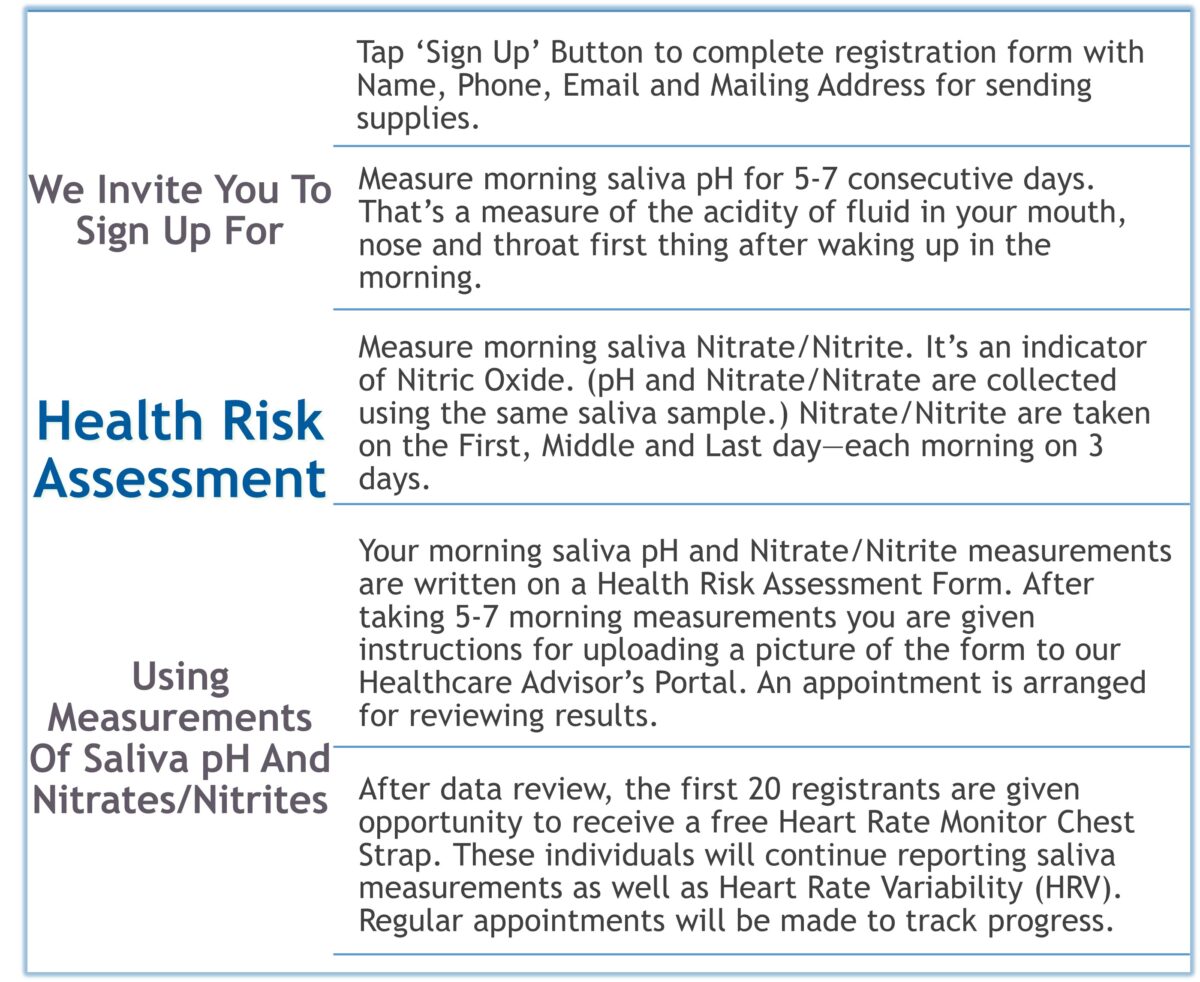
Sign Up
_____________________________________________________________________________________________________
REFERENCES
——–
- Nicolini P, Malfatto G, Lucchi T. Heart rate variability and cognition: a narrative systematic review of longitudinal studies. Journal of clinical medicine. 2024 Jan 4;13(1):280.
https://doi.org/10.3390/jcm13010280
——- - Hillebrand S, Gast KB, de Mutsert R, Swenne CA, Jukema JW, Middeldorp S, Rosendaal FR, Dekkers OM. Heart rate variability and first cardiovascular event in populations without known cardiovascular disease: meta-analysis and dose–response meta-regression. Europace. 2013 May
1;15(5):742-9.
https://doi.org/10.1093/europace/eus341